



Thin Brick Veneer
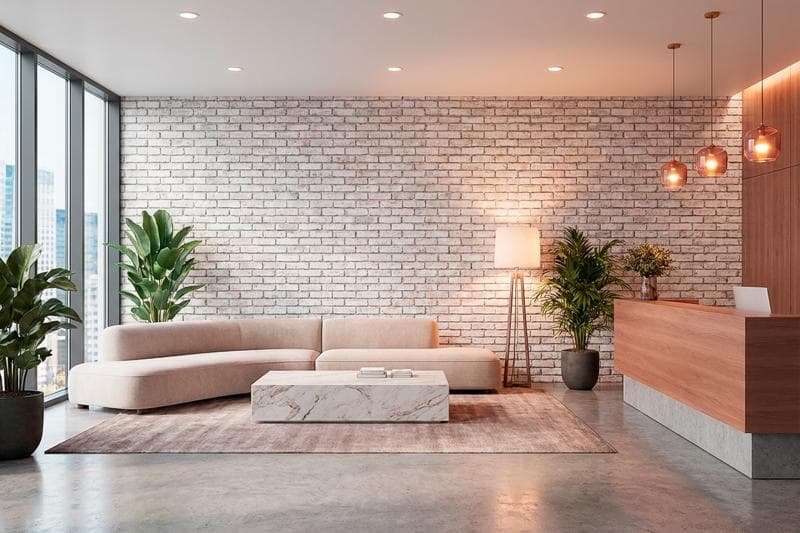
Thin Brick Wall Veneer
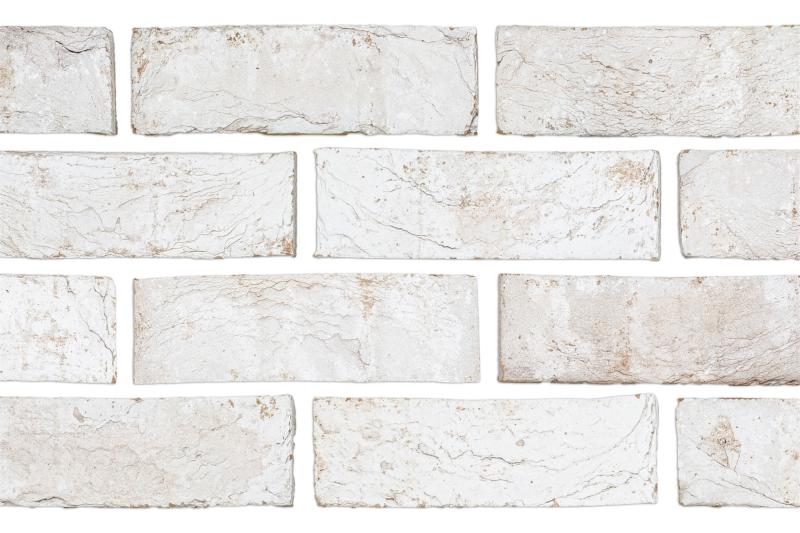
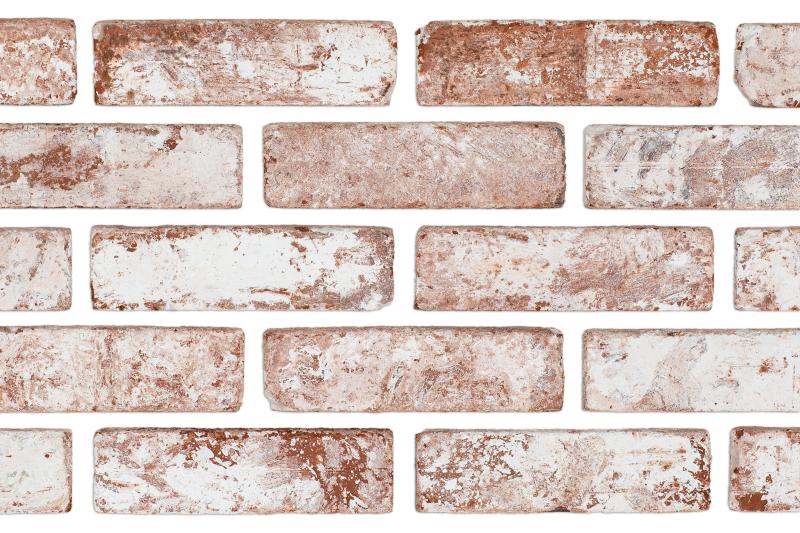
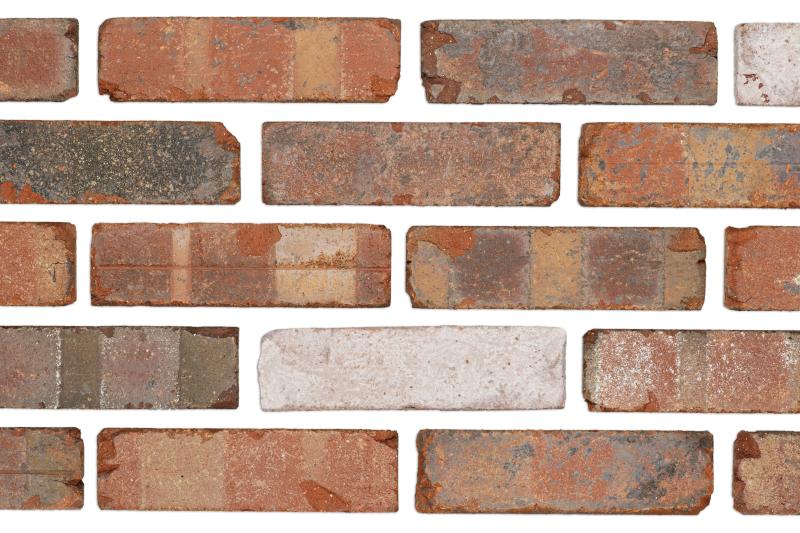
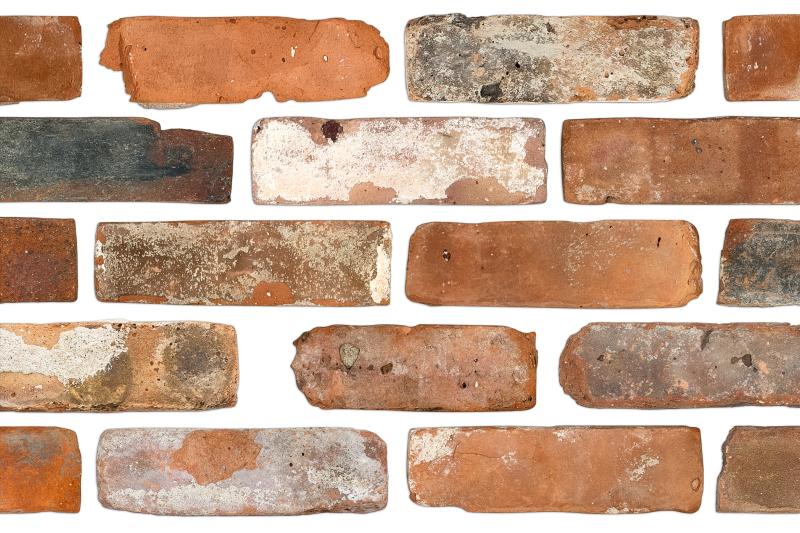
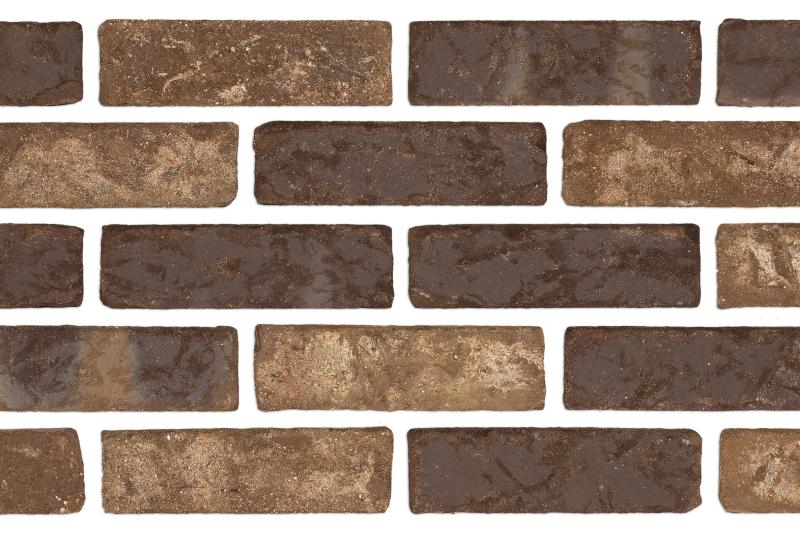
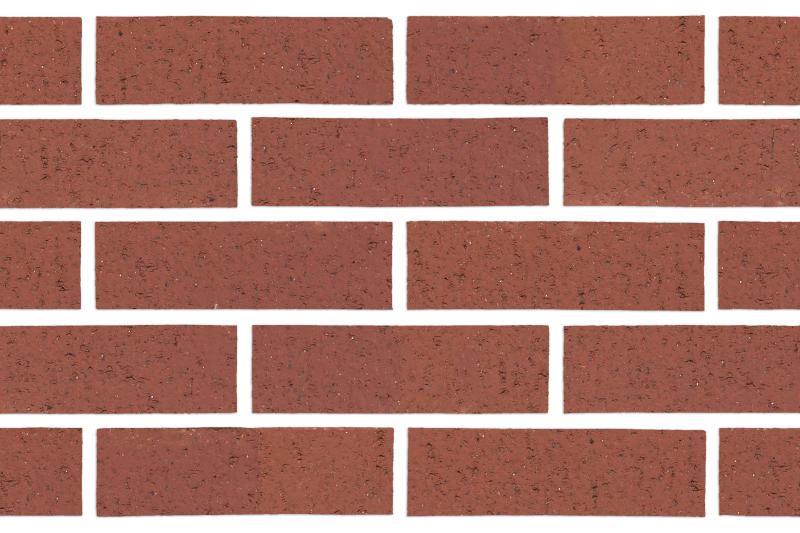
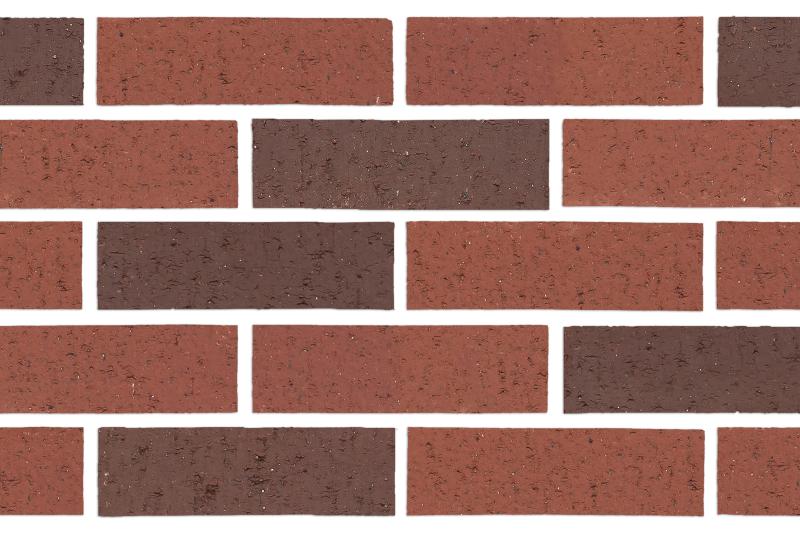
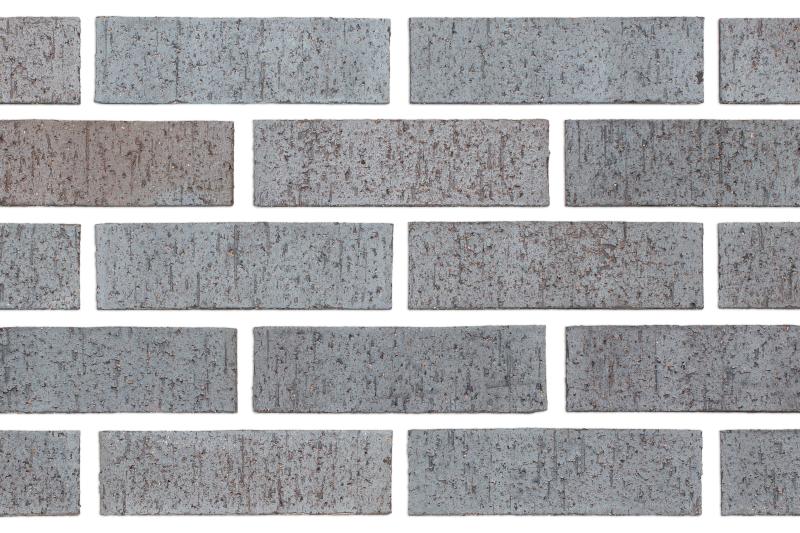
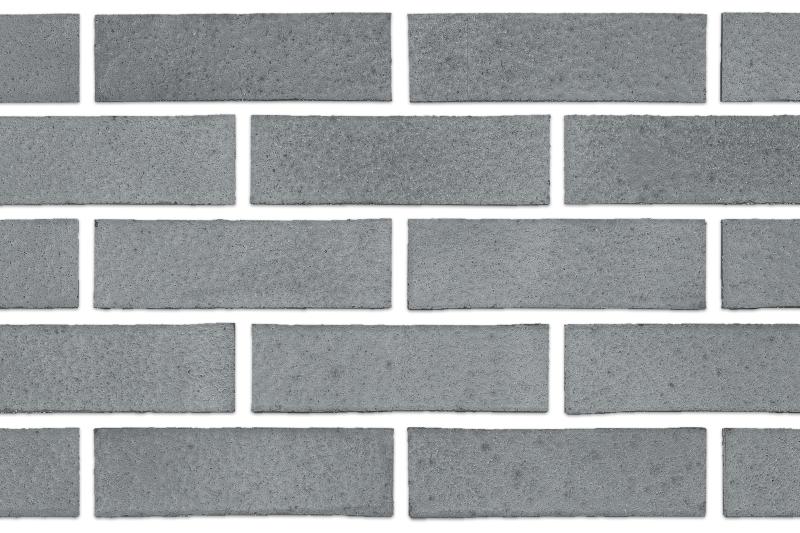
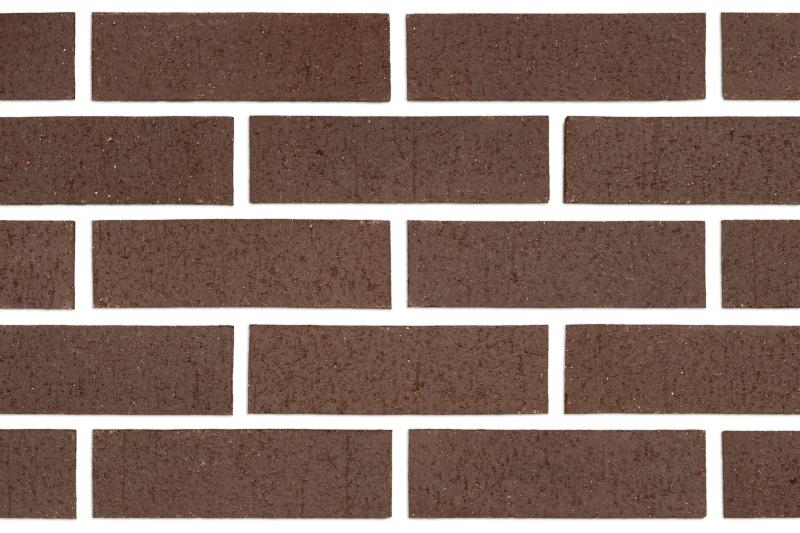
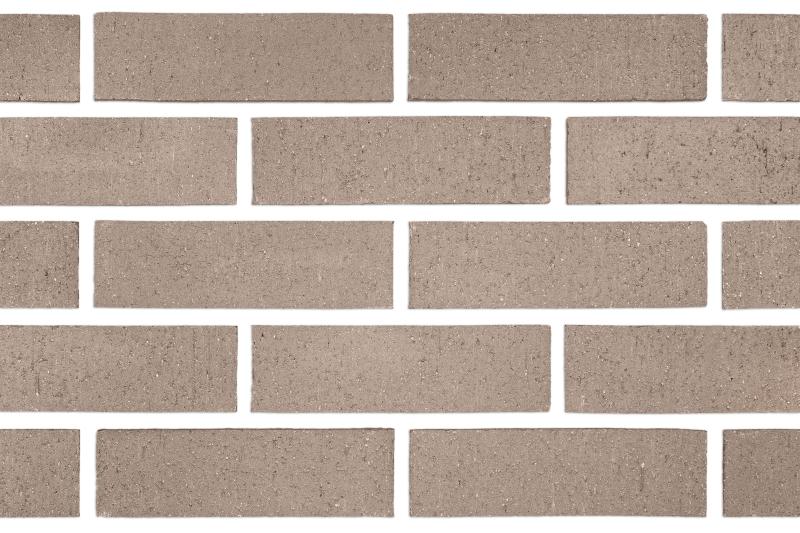
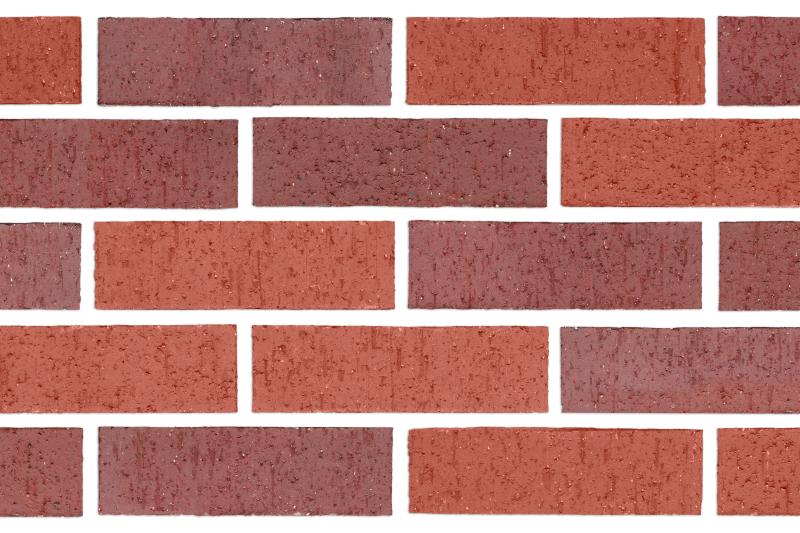
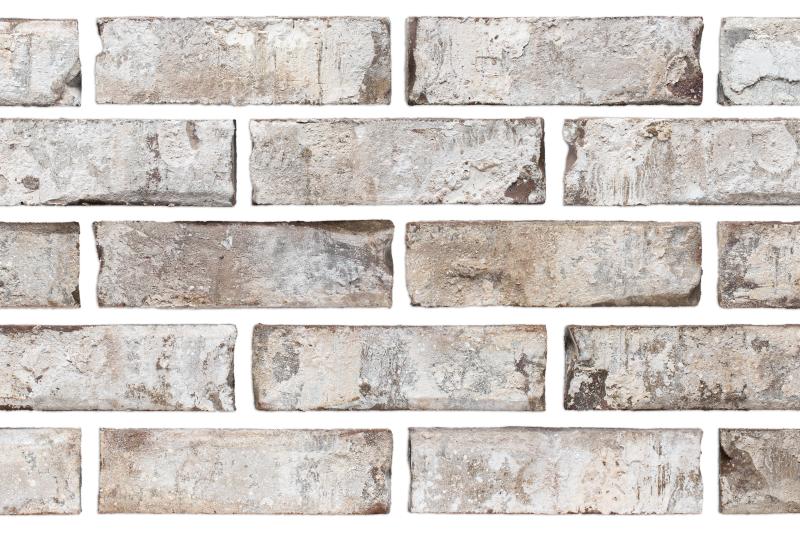
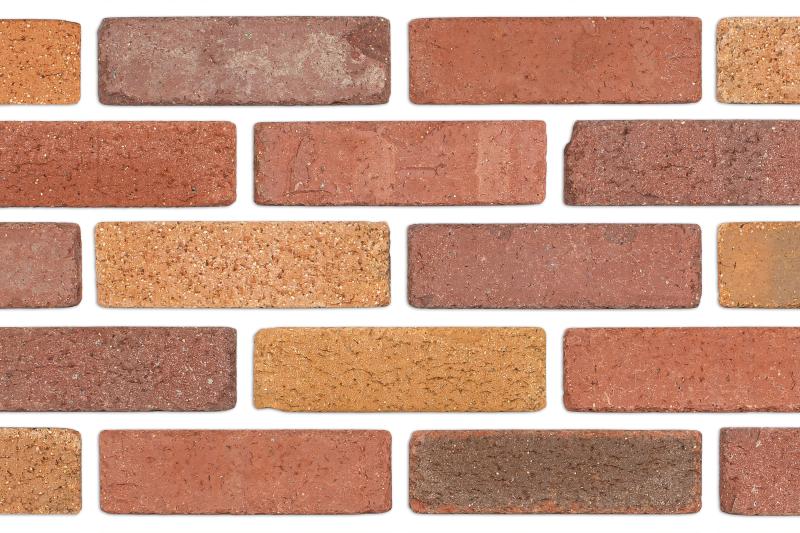
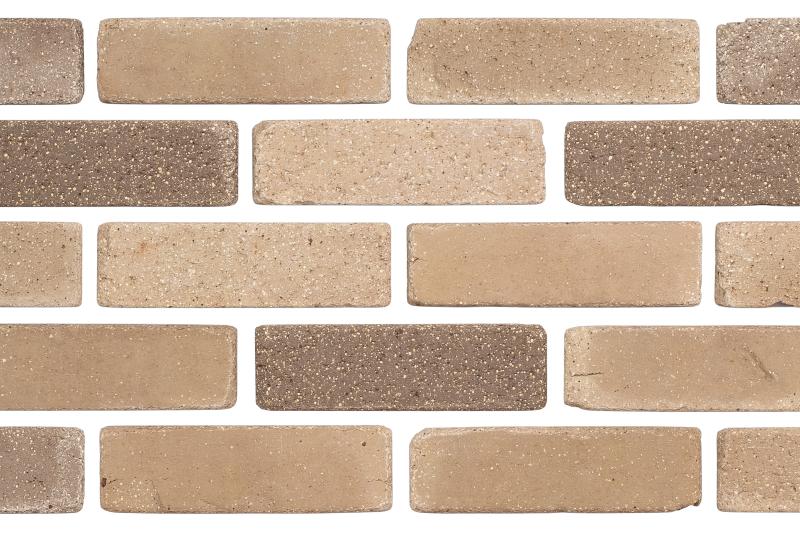
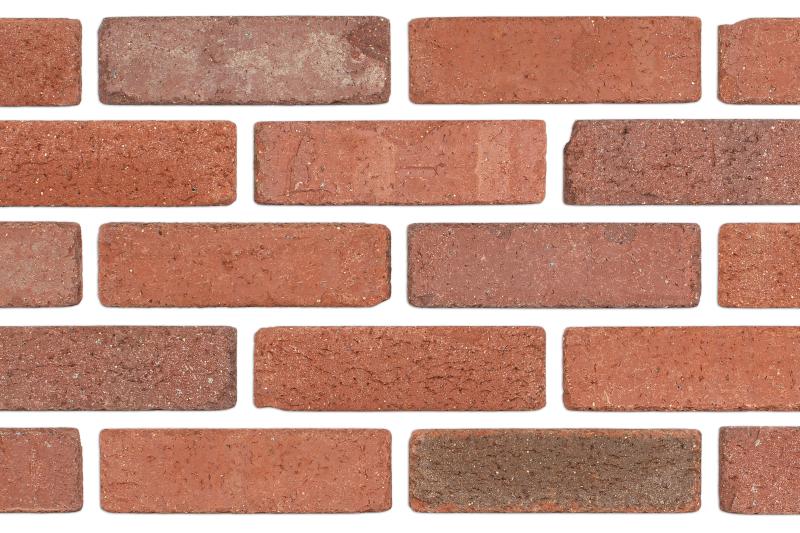
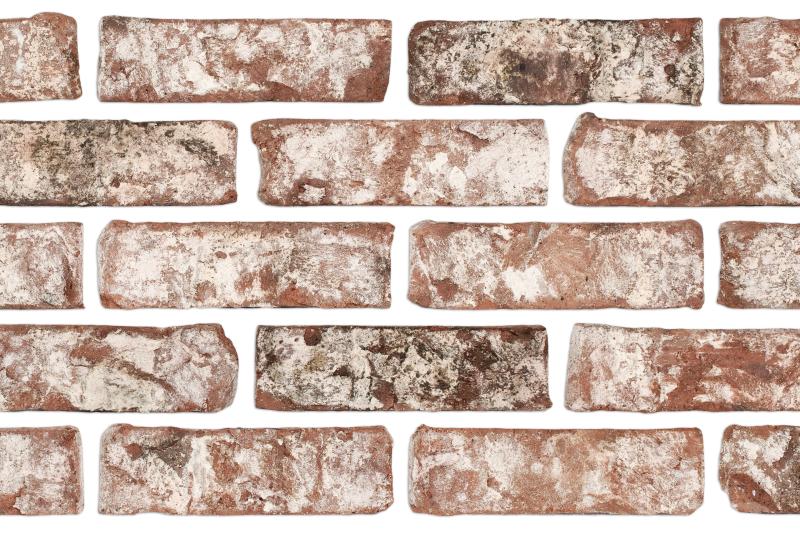
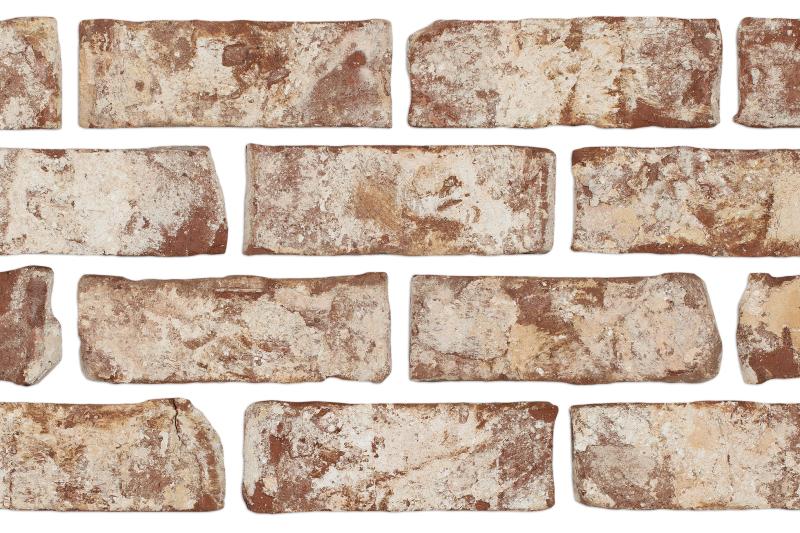
Create the look of traditional masonry on exterior and interior walls with thin brick veneer. From historic restorations to contemporary architecture, choose from hundreds of authentic brick styles designed to pair with engineered installation systems for lasting performance.
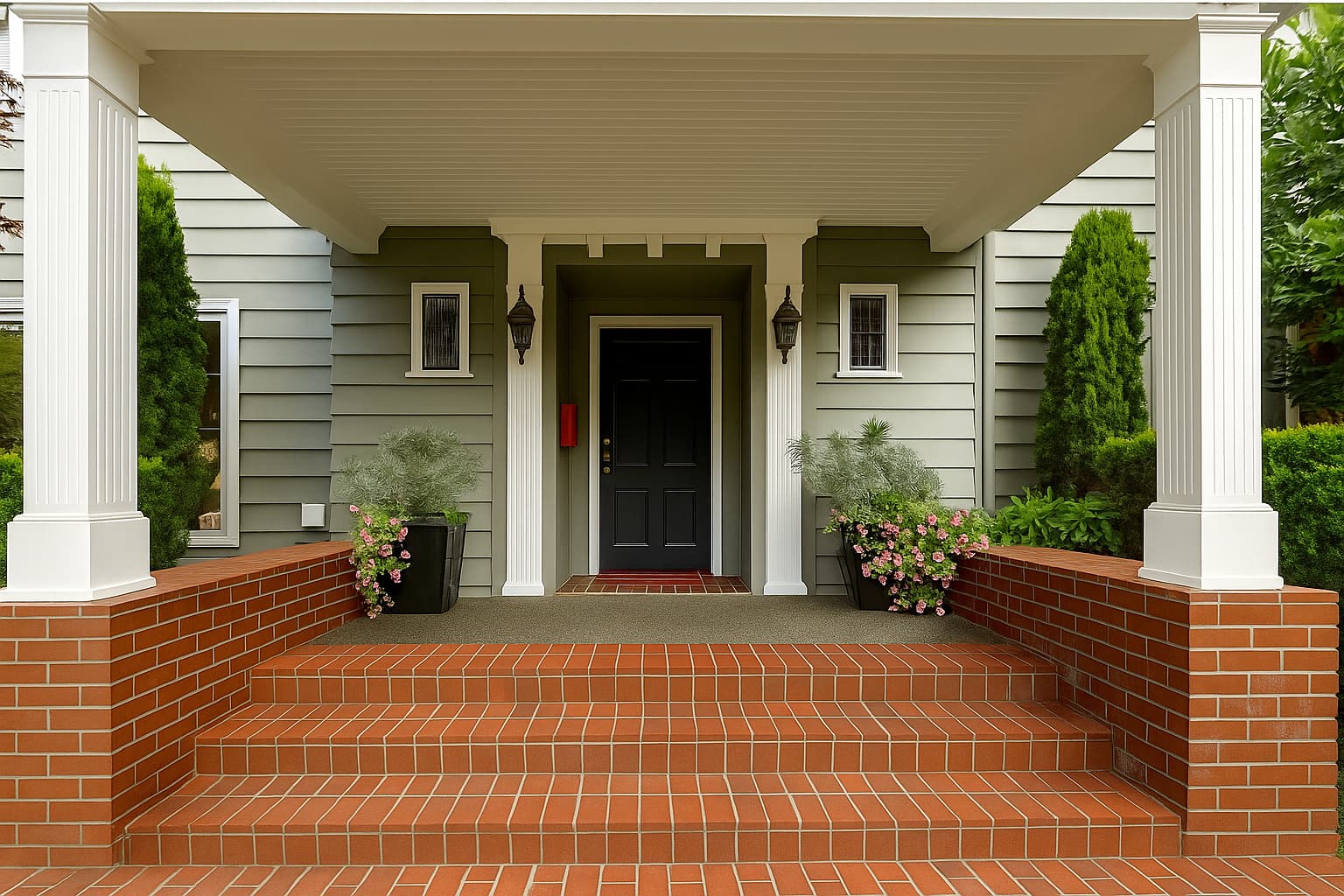
Thin Brick Floor Veneer
Bring the warmth and character of real brick to floors without the thickness of full masonry. Ideal for porches, pathways, patios, and interior flooring, thin brick floor veneer and brick pavers deliver authentic style with less weight and greater installation flexibility.
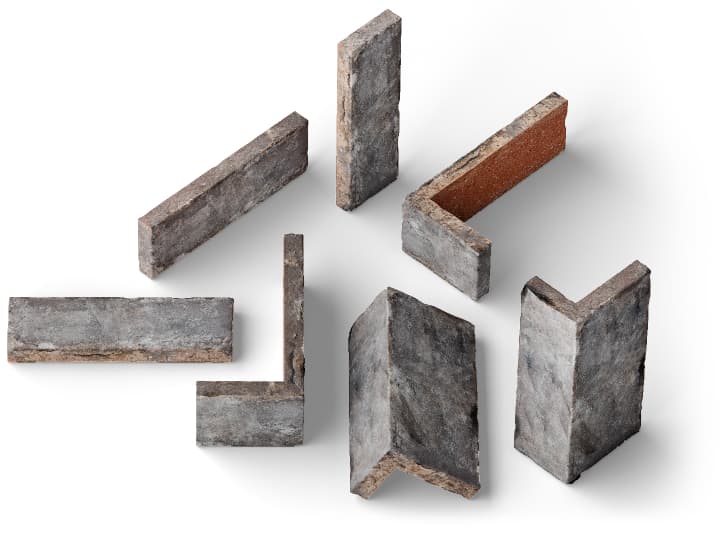
Full Brick Cutting Service
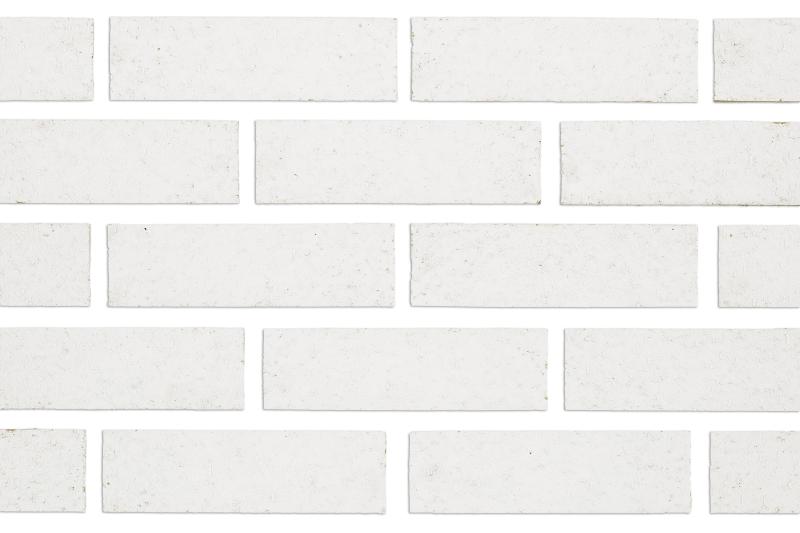
Installation Systems for Walls
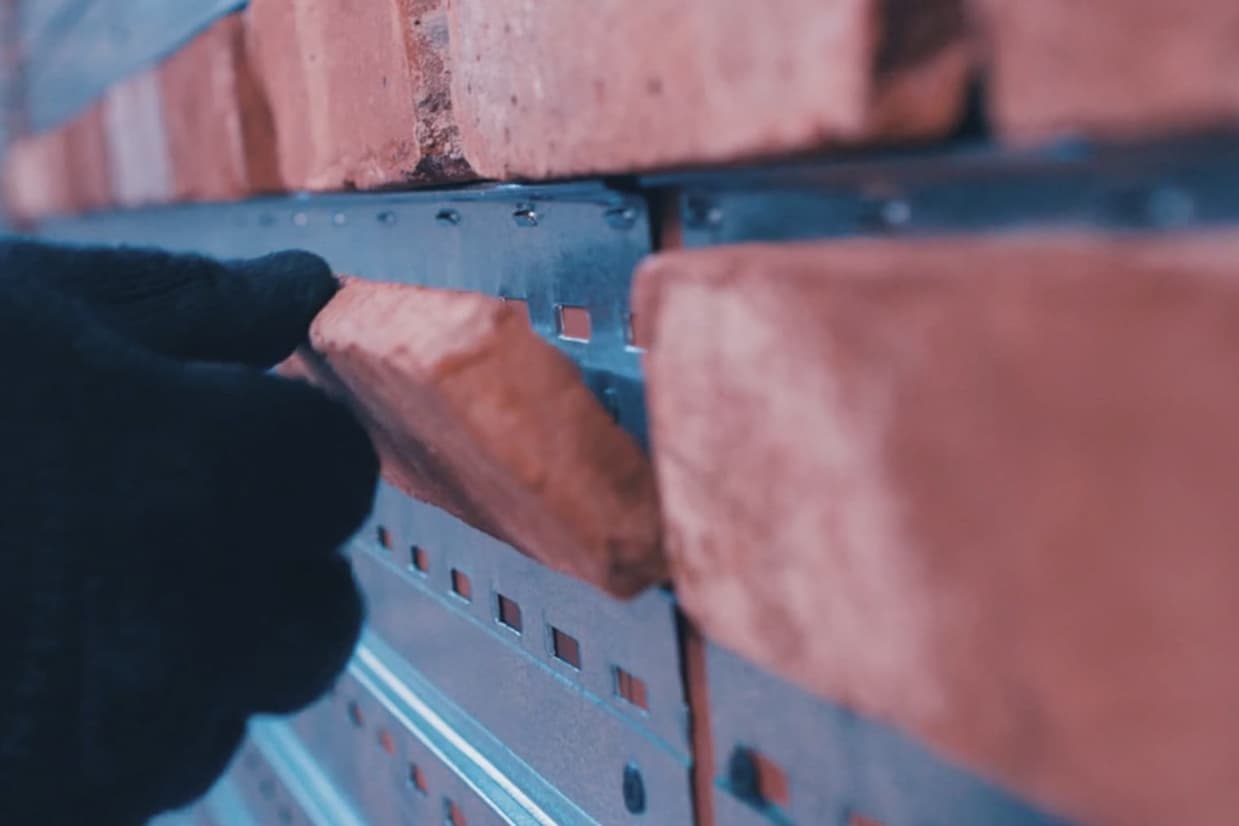
Our patented metal grid systems for wall vaneers were designed with efficiency and ease of use in mind, benefits include:
- Reduced installation time
- Lower labor costs
- Precise alignment
About Thin Brick
What is thin brick?
When discussing brick, we typically focus on color and texture, but that alone is not enough to define a final product with a specific SKU. A complete brick specification also requires defining the size and shape. Thin brick is not a separate manufactured product—it’s one of the many shapes and sizes that face brick can be produced in. Brick manufacturers produce brick in a variety of formats, and thin brick is one of those standard brick shapes designed specifically for veneer applications. It delivers the authentic appearance, texture, and durability of traditional brick in a reduced thickness that works well for interior walls, exterior facades, and select flooring applications.
Can you use thin brick for both walls and floors?
Yes, thin brick can be used for wall veneer and floor veneer applications when the product is suited for that use. Contractors should confirm the appropriate product category before specifying thin brick flooring or wall cladding.
What styles and colors of thin brick can you choose from?
Thin brick is available in a wide range of colors, textures, and sizes, including reclaimed, extruded, molded, handmade, glazed, smooth, wirecut, tumbled, modern, rustic, residential, and commercial styles.
Can you calculate materials, pricing, and shipping for thin brick projects?
Yes, our configurator tool can be used to estimate material needs, pricing, and shipping options. This helps contractors and builders price thin brick veneer projects more efficiently before ordering.
What is the cost of thin brick?
Material Cost (per sq. ft.):
- Basic Thin Brick: $4 – $6 / sq ft
- Mid-Range Clay Veneer: $6 – $10 / sq ft
-
Premium, Glazed & Distressed Styles: $10 – $22 / sq ft
(Average pricing typically falls around $11 / sq ft)
Final cost depends on several factors, including the shapes required for your project, as well as the brick’s color, texture, finish, and whether it’s handmade, tumbled, or machine-cut.
Hidden Costs in the Industry
Shipping is often where customers encounter unexpected expenses. Whenever possible, it’s most efficient to ship materials directly from the manufacturing facility to the job site reducing unnecessary handling, delays, and added costs.
Due to the weight and packaging complexity of thin brick, many suppliers struggle to calculate freight accurately. Overcharges and undercharges are common, typically caused by outdated systems that aren't built to handle the unique logistics of dense, commodity-type materials.
At BrickIt.com, we’ve solved that problem with a purpose-built, logistics-driven platform.
Our system allows customers to:
- Configure a complete bill of materials
- Receive real-time shipping estimates based on weight, quantity, origin, and destination
- Compare live, accurate shipping rates across parcel, LTL (Less Than Truckload), FTL (Full Truckload), and our own Brick It delivery fleet
The result: Transparent pricing, no surprises from the first brick to the final mile.
Is Thin Brick Cheaper Than Full Brick?
Yes, thin brick is generally more affordable than full brick, but the savings go far beyond the sticker price. Thin brick is lighter, easier to handle, and quicker to install, which dramatically reduces labor and shipping costs especially for non-structural applications like feature walls, backsplashes, fireplaces, and exterior cladding. Unlike full brick, it doesn’t require structural reinforcement or deep footings, making it ideal for retrofit projects and modern construction where speed and efficiency matter. While full brick is necessary for load-bearing walls, thin brick delivers the same authentic appearance at a fraction of the weight and cost, making it the smarter financial and design choice for most residential and commercial projects.
How long does thin brick last?
Thin brick offers durability that closely matches full brick in most non-structural applications, making it a reliable choice for both residential and commercial settings. It maintains its integrity and aesthetic over time without the weight or structural demands of full-depth masonry, and its resistance to chipping, fading, and general wear ensures long-lasting performance—especially when installed using proper systems and materials. At Brick it, we’ve been in business for over 50 years, and many of the buildings we veneered in our early years still retain their original thin brick facades today—proof of the long-term reliability and enduring appeal of our products.
Is thin brick the same as fake brick or faux brick?
No, thin brick is not the same as fake brick, faux brick, foam brick, or synthetic wall panels unless a product is clearly described that way. Thin brick is most commonly made from real clay and manufactured in a thinner format specifically for veneer applications. It delivers the authentic appearance, texture, durability, and performance of real brick while maintaining a profile suitable for brick veneer, brick tile, and brick cladding systems.
Clay thin brick is generally the preferred option when the goal is to achieve the look and performance of traditional masonry. However, some thin brick products are made from other materials, including concrete, porcelain, or stone, and should be evaluated based on the specific project requirements.
What is thin brick called?
Thin brick is commonly referred to by several names, depending on the context and region. Here are the most common terms:
General Terms:
- Thin Brick – The standard industry term.
- Brick Veneer – Emphasizes its use as a non-structural cladding.
- Thin Brick Veneer – A more descriptive combination of the above.
Other Variants:
- Brick Tile – Highlights its tile-like thickness and application.
- Face Brick (Thin) – Sometimes used when the brick has a finished face and is used decoratively.
- Brick Slip (UK/Europe) – The British equivalent of thin brick.
These all refer to real clay bricks (or sometimes concrete) that have been cut or manufactured to be much thinner (usually around 1/2" to 3/4") than traditional full-size bricks, and are used for aesthetic purposes without adding structural weight.

Any questions so far?
We can help.
If you need help with your order or consult our design experts for advice, do not hesitate to contact us. We're happy to help!
