Moisture Control System

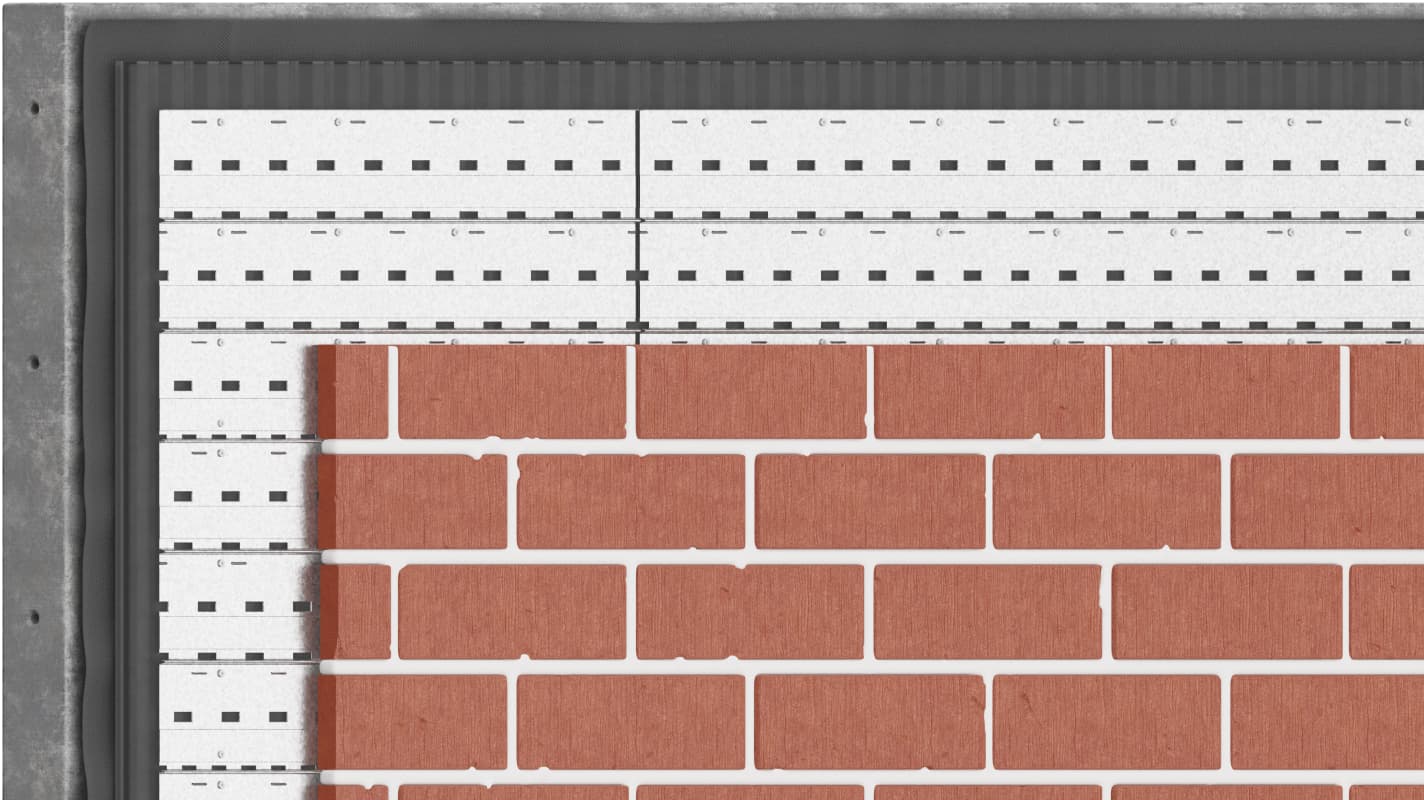
The Brick it™ Moisture Control System is the only system in the world designed specifically to address all moisture concerns. It has been awarded patents in both the US and Canada, and is the best method for installing exterior thin brick. The metal grid was designed to:

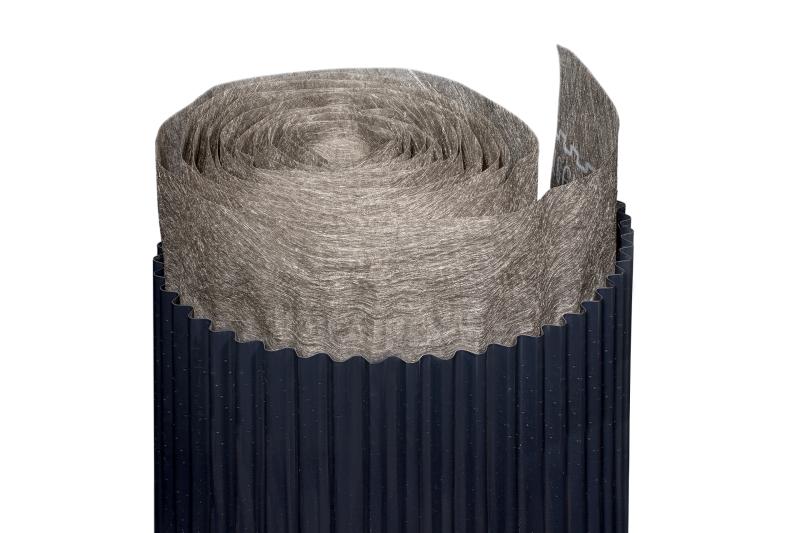
  • Use high-impact drainage mat for quick water exit and absorption by brick
  • Use drainage mat to facilitate water drainage and air flow between veneer and wall
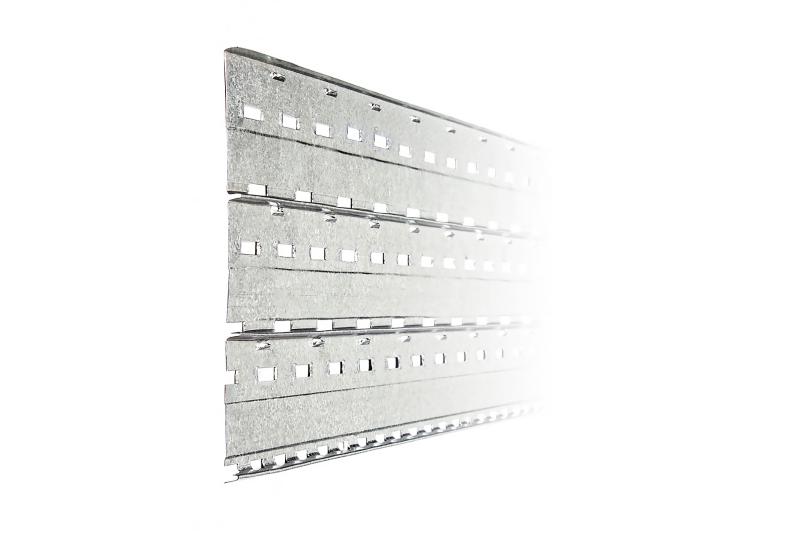
  • Redirect water every 8 inches vertically from front to back of offset panel using weep holes
  • Compartmentalized channels for pressure equalization
  • Interlocking feature and panel shape for aligned brick veneer, equal weight distribution, reinforced corners, and added wall support
Badge
Badge
Moisture Control System
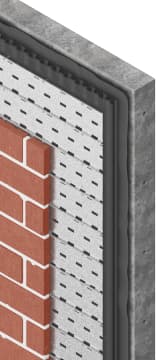
Wall Sheathing
Moisture Resistant Barier
Drainage mat weep system
Patented Metal Grid System
Real Thin Brick
Moisture Control System
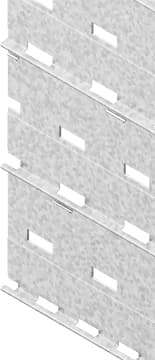
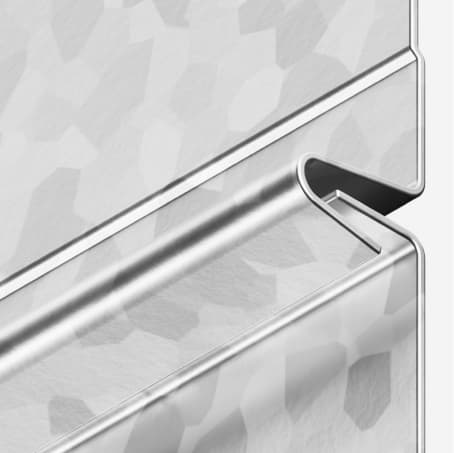
Brick shelf support
Mortor anchoring slot to
ensure bonding to grid
Linear array of holes
for adhesive
3/8 inch weepholes at metal
shelf to drain 100% water
Interlocking edges at brick shelf support for level and straight horizontal lines

Interlocking edges at brick shelf support for level and straight horizontal lines

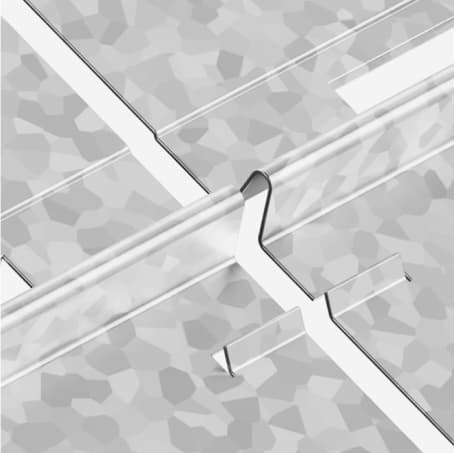
1/4 inch Control Gap

1/4 inch Control Gap

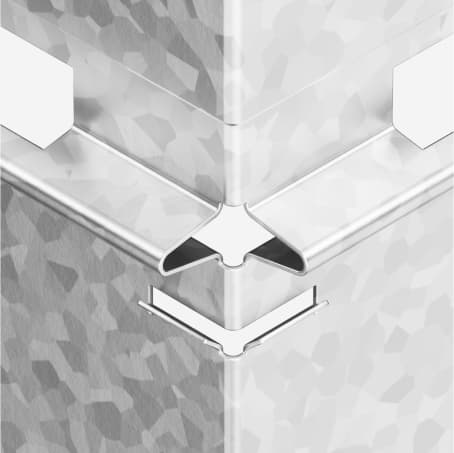
Bending metal around corners

Bending metal around corners

System Overview

United States Patent: #9,512,621
Florida Product Approval: #FL14427

The Brick it™ Moisture Control System (MCS) is designed based on our DMG panel with additional functionality. It has all the features of that panel but in addition it has a higher-grade galvanization of a Steel Mill Certified G-90 (non-corrosive).

Further, it has strategically placed weep holes that collect water from the front of the panel and redirect it to the back of it. The offset weep hole configuration ensures 100% water collection every eight inches of the wall. Recently we have switched to a square weep hole shape to warrant a better water collection. From our testing and experience we have learned that water tends to go around a rounded puncture and not into it. Further, all of our weep hole punches are structured from the front of the panel towards the back to ensure that any punch burrs do not create water draining obstacles.

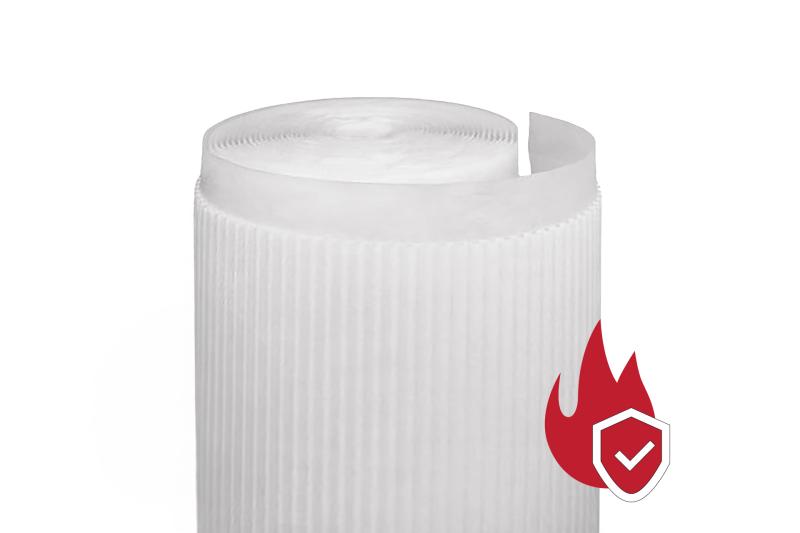
In the rear of the panel is the drainage mat that is responsible for water drainage and air circulation. High Impact drainage mats are available in various cavity depths to match your specification. However, most popular among our customers seems to be 1/16″.

Advantages of MCS system

Everything from DMG system plus:

  • Higher-grade G-90 galvanization, none-corosive metal
  • Strategically placed weep holes
  • Offset weep hole configuration ensures 100% water collection
  • Square weep hole shape for better water collection
  • Weep hole punches are structured from front to back
  • High Impact drainage mats available in various cavity depths
FAQ

What Is the Moisture Control System 〈MCS〉?

The Moisture Control System (MCS) combines all the features of our Metal Grid System with integrated moisture management capabilities. Its patented design (U.S. Patent #8,141,310) actively redirects water from the front of the panel to the back every 8 inches using strategically placed offset weep holes.

This approach helps protect the wall assembly by promoting drainage and ventilation behind the brick veneer, making it the only patented moisture control system specifically designed for thin brick installation.

How Far Will the Brick Project Off the Existing Wall Using the MCS System?

The MCS (Moisture Control System) panel is extremely thin—approximately 0.016"—and does not significantly affect the overall system thickness. To calculate the total projection from the existing wall, simply add the thickness of the brick and the drainage mat.

Brick dimensions can be found on each product page under the Shapes & Sizes tab. The combined thickness of these components will give you an accurate estimate of how far the system will extend off the wall.

Is the Moisture Control System 〈MCS〉 More Expensive Than the DMG System?

Yes, the MCS System is slightly more expensive than the DMG System. This is due to its additional components, such as the integrated drainage mat, and the use of a higher-grade galvanized coating for enhanced durability and moisture management.

Think of it as an insurance policy for your wall assembly, an added layer of protection that may be well worth the investment, depending on your project's exposure and performance goals. The best way to evaluate the cost difference is to request a quote and compare the full system pricing. Ultimately, the choice is yours.

What Type of Contractors Install Thin Brick?

The type of contractor best suited for your project will depend on its scope and setting. The following professionals are commonly capable of installing thin brick panel systems:

  • Stucco Contractors
  • Masons
  • Carpenters
  • Tile Setters
  • Exterior Cladding or Façade Specialists – Particularly for commercial or large-scale exterior applications
  • Landscapers, Plumbers, Electricians, and Painters – Often take on small-scale or interior installations

Regardless of trade, it’s important that the installer is detail-oriented, follows our installation guidelines, and is comfortable working with panel systems and masonry materials.

Can the Brick It Panel System Be Used with Other Manufacturers’ Brick?

Yes, the Brick It Panel System is compatible with other manufacturers’ thin brick, as long as the brick conforms to a standard U.S. size. The most important factor is the brick face height, which must match the panel spacing to ensure proper fit and alignment.

We recommend checking your brick dimensions and comparing them with our panel sizing chart before ordering.

How Do I Fasten the Panel to the Wall?

Fastening the panel correctly is essential for a secure and aligned installation. Follow these key guidelines:

  • The metal grid features an interlocking top and bottom edge to help maintain level placement.
  • Always check the level periodically after installing several rows.
  • Panels should be installed so the brick extends 1/2” past the grid at the ends.
  • Notch and bend the panel as needed to wrap around outside corners.
  • Use one fastener per brick row every 16” horizontally (aligned with studs or structural substrate).

Is the Brick It Panel System Approved for Use in Miami-Dade County, Florida?

Yes. The Brick It Panel System is approved in Miami-Dade County under the 2014 Florida Building Code. While this code version is still accepted, Brick It is actively working on obtaining updated approvals under newer code versions.

To locate the official approval:

We will update our documentation once the new approvals are finalized.

Any questions so far? We can help.

Any questions so far?

We can help.

If you need help with your order or consult our design experts for advice, do not hesitate to contact us. We're happy to help!